
Optimal Timing for Water Treatments
Water treatments are essential for maintaining water quality and ensuring safe, clean water supply. Proper timing of treatments can optimize effectiveness, reduce costs, and extend the lifespan of water systems. Knowing when to perform water treatments depends on various factors including water usage patterns, seasonal changes, and water source conditions.
Water treatments are often most effective during specific seasons, such as spring and fall, when water demand fluctuates and system maintenance is easier to schedule.
High usage periods, such as summer months, may require more frequent treatments to prevent buildup and contamination.
Treatments should be scheduled after heavy rainfall or drought periods to address changes in water quality and prevent issues like algae growth or sediment buildup.
Regular inspections can identify optimal times for treatment, typically aligned with maintenance schedules every 6 to 12 months.

Visual overview of filtration and purification stages.
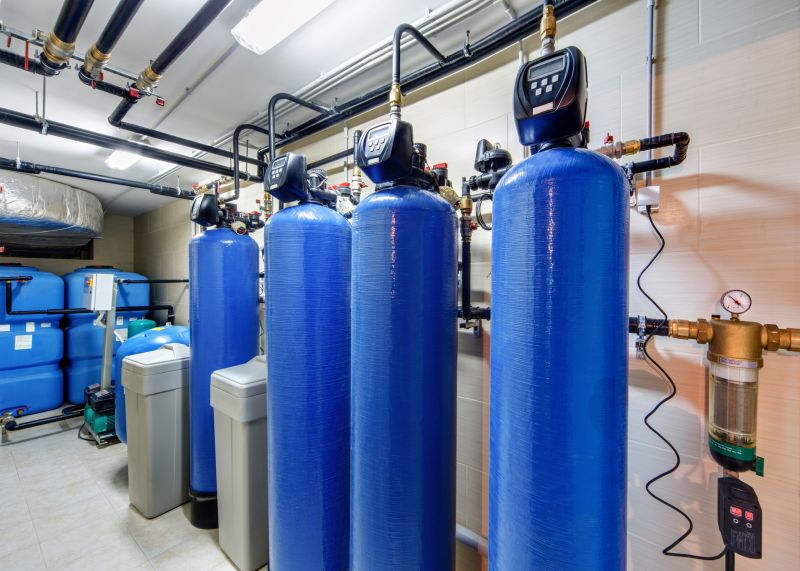
Samples being analyzed to determine treatment needs.
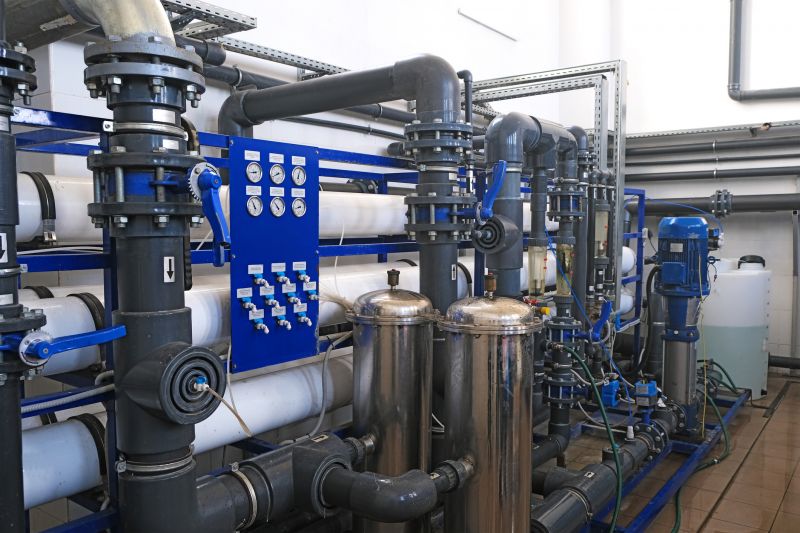
Water treatment systems being set up at a facility.
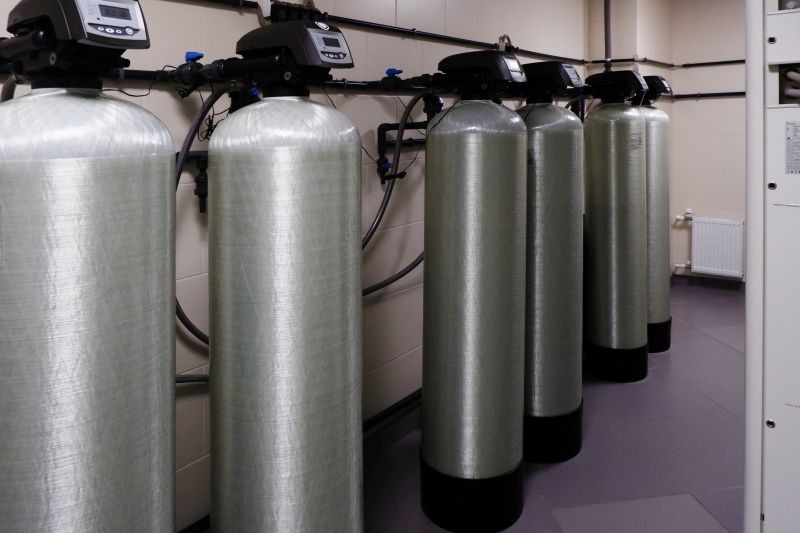
Ways to make Water Treatments work in tight or awkward layouts.
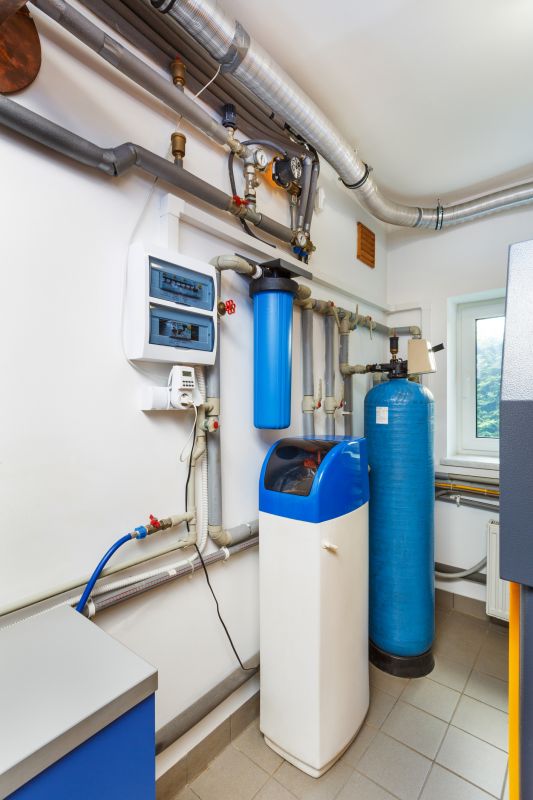
Popular materials for Water Treatments and why they hold up over time.

Simple add-ons that improve Water Treatments without blowing the budget.
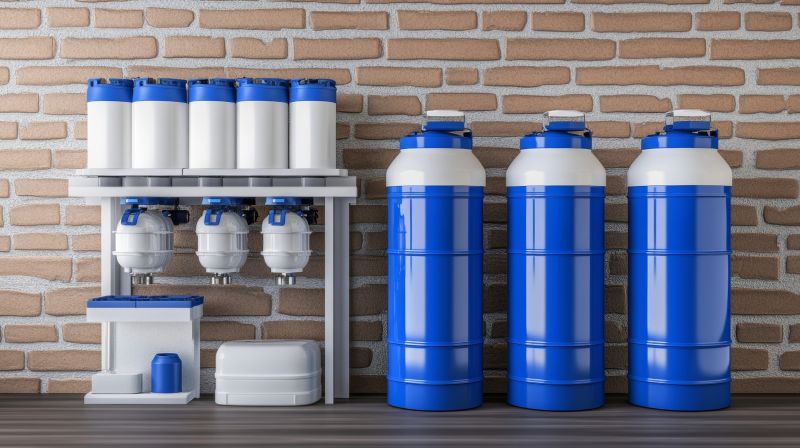
High-end options that actually feel worth it for Water Treatments.
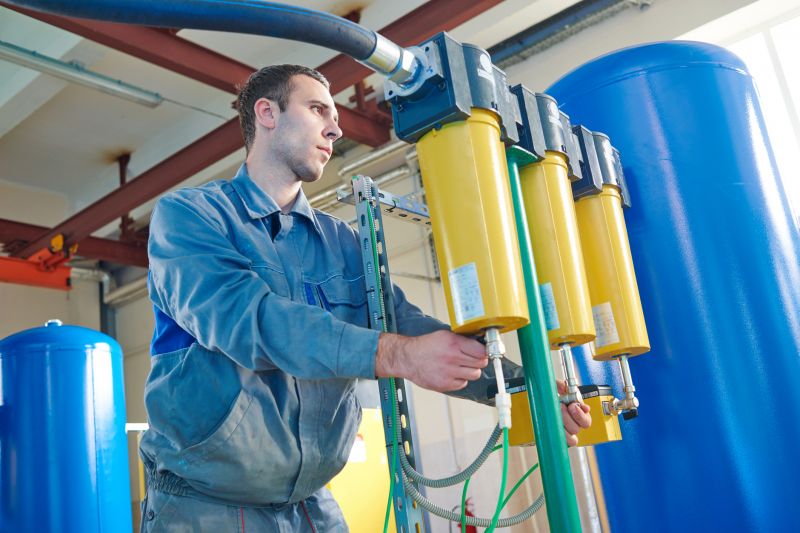
Finishes and colors that play nicely with Water Treatments.
| Optimal Treatment Timing | Key Considerations |
|---|---|
| Spring | Address buildup from winter and prepare for high demand |
| Fall | Prevent algae and sediment issues before winter |
| Post-Heavy Rainfall | Address runoff and contamination |
| Pre-Summer | Ensure water quality for peak usage |
| Regular Maintenance | Every 6-12 months based on system needs |
Water treatments involve various processes such as filtration, chemical dosing, and disinfection to remove contaminants and improve water quality. Proper timing ensures these processes are most effective, reducing the risk of waterborne illnesses and system failures. Statistics indicate that regular water treatments can significantly decrease the presence of harmful bacteria and reduce operational costs by preventing system damage.
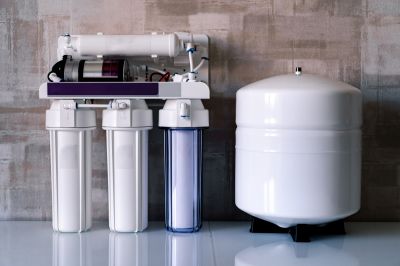
Advanced filtration units removing sediments and impurities.

Disinfection chemicals applied to ensure water safety.
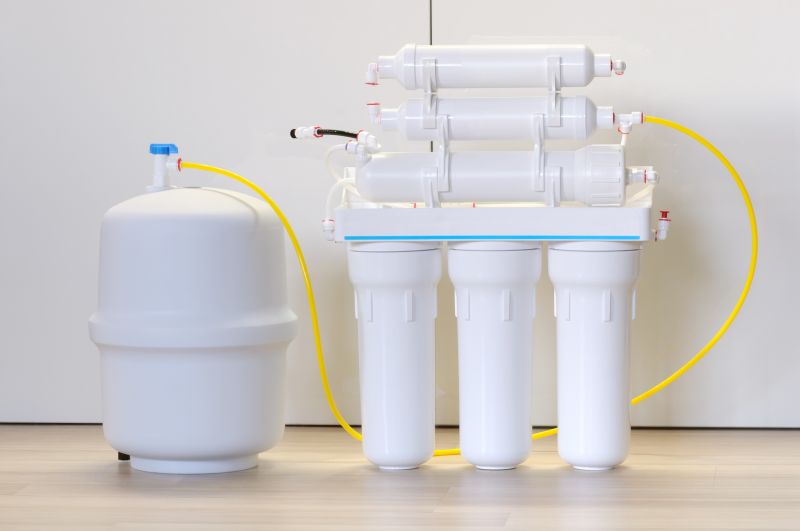
Samples collected for quality analysis.
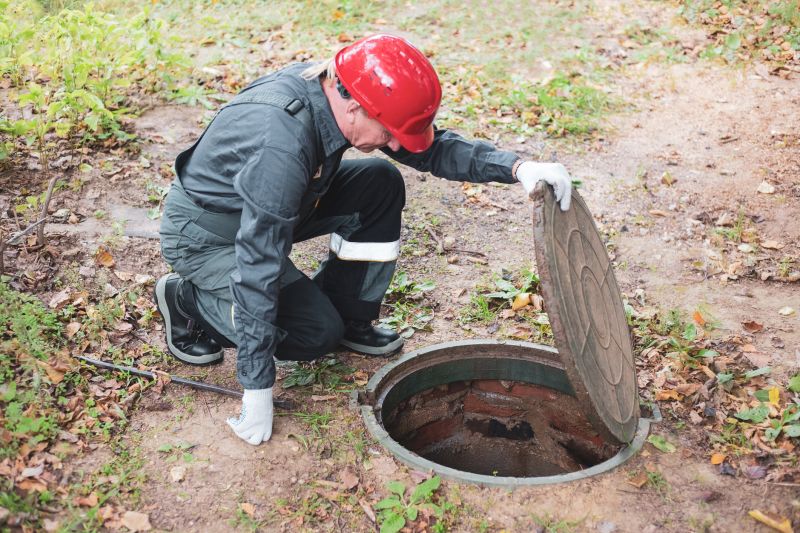
Technicians performing system checks and treatments.
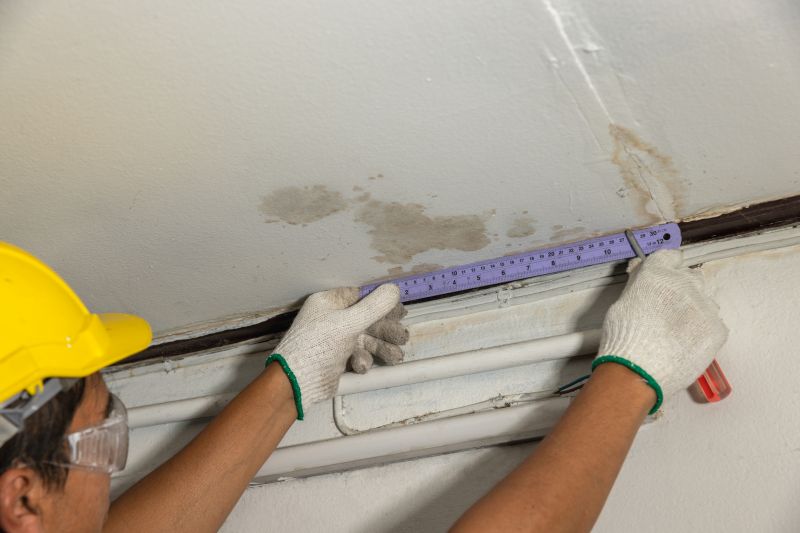
Little measurements that prevent headaches on Water Treatments day.
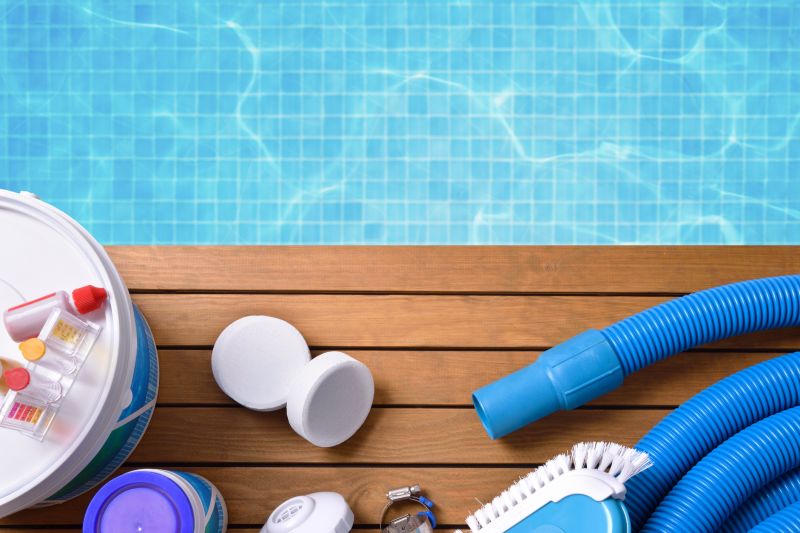
A 60-second routine that keeps Water Treatments looking new.

A frequent mistake in Water Treatments and how to dodge it.
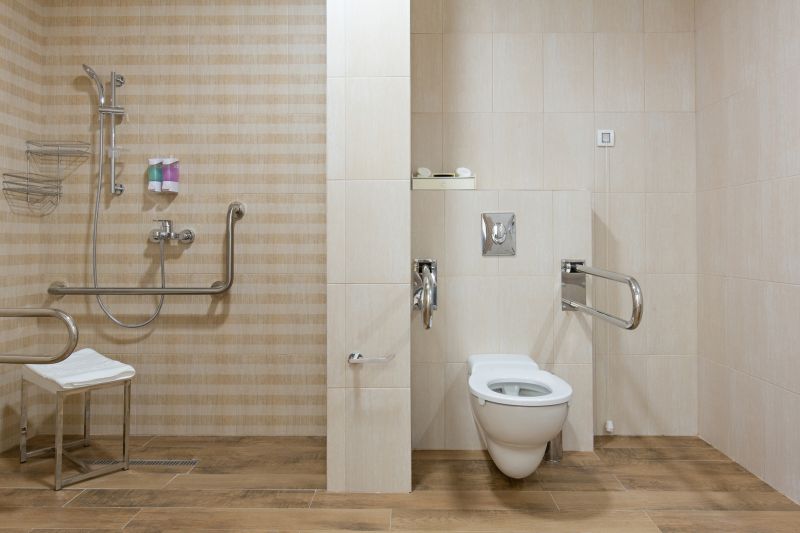
Small tweaks to make Water Treatments safer and easier to use.
Scheduling water treatments at appropriate times maximizes their effectiveness and helps maintain consistent water quality. Regular assessments and adherence to recommended intervals are vital for compliance and safety. Interested parties are encouraged to contact for further information or to schedule a treatment plan tailored to specific needs.